
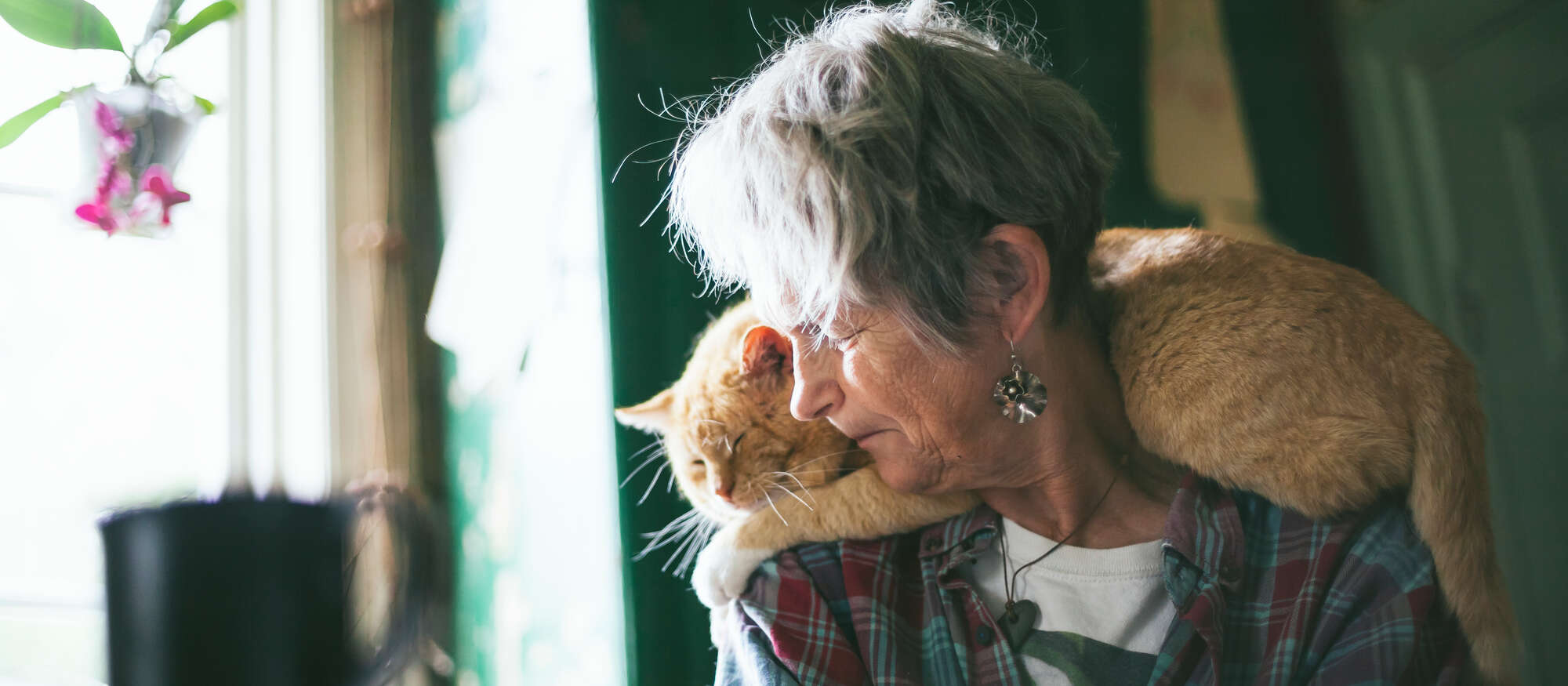

Nearly half of memory disorders can be prevented
In 2040, there may be 250,000 people with memory disorders in Finland. This is roughly equivalent to the population of Tampere and about 100,000 more than in 2021. The increase raises the need for services for older people. Memory disorders cannot be cured, but their increase can fortunately be influenced.
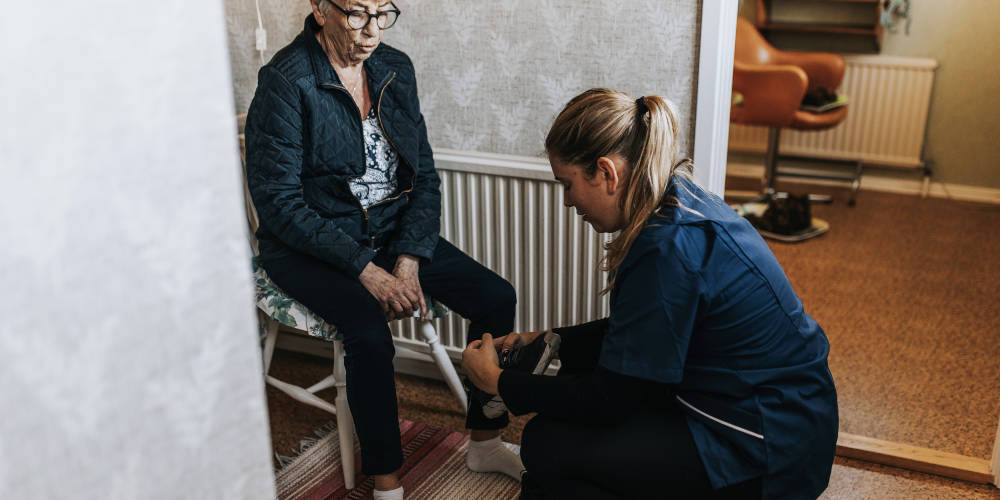
Support for informal care varies between regions
When informal carers are supported with adequate services, many older people and those with long-term illnesses can live at home longer. This reduces the burden on the service system. THL recommends uniform eligibility criteria for informal care support so that carers receive equal support regardless of place of residence.
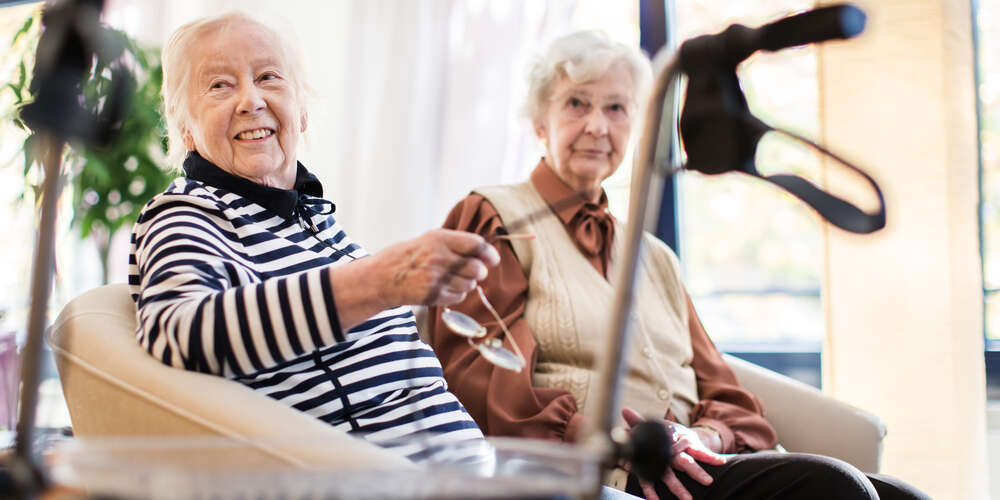
National criteria, monitoring and reporting are needed for the quality of services for older people
As the population ages, an increasing number of older people need services to support their daily life and health. However, resources for services are not increased in proportion to the growing need for assistance.
The Future Outlook for Health – online service
With the Future Outlook for Health online service, leaders and decision-makers in wellbeing services counties can anticipate future service needs arising from ageing, morbidity, lifestyles and certain risk factors.
The service provides forecasts and possible scenarios for the development of service needs by wellbeing services county and at national level up to 2040. It supports the planning of preventive measures.
In the service, forecasts can be examined for example on perceived health of the population, multimorbidity and psychological strain. The situation can be reviewed by wellbeing services county and in relation to the whole country.
The service provides forecasts and scenarios
- On health status
- On lifestyles and risk factors
- On work ability and functional capacity
- On morbidity in scenarios of developments in alcohol use, smoking and obesity
- On health service costs in scenarios of developments in obesity