
Five solutions to promote health and environmental wellbeing at the same time
Human health, food, water, climate and biodiversity – five huge concepts that are interlinked in countless different ways. What do we know about the links between them, why are they at risk and how to solve the harmful developments associated with them without causing harm to others? These are key questions of the recent assessment report of the Intergovernmental Science-Policy Platform on Biodiversity and Ecosystem Services IPBES.
It is an extremely ambitious research-based report that involved the work of hundreds of researchers and experts on this subject around the world, plus comments from thousands of the same. THL had the honour of commenting on the report in two evaluation rounds, and a number of our researchers working on environmental health and lifestyle participated in this effort.
Although it is necessary to identify complex, interdependent problems and the links and research needs associated with them, the most important output of the report are probably the solutions that promote not only human health but also the state of the other examined aspects, in line with the philosophy of planetary health. The report identified a total of 71 such solutions with multiple benefits.
Here, we highlight five solutions that are suitable for Finnish conditions and that promote health in particular. They have also been found to have clear benefits for as many of the other aspects as possible (food, water, climate, biodiversity):
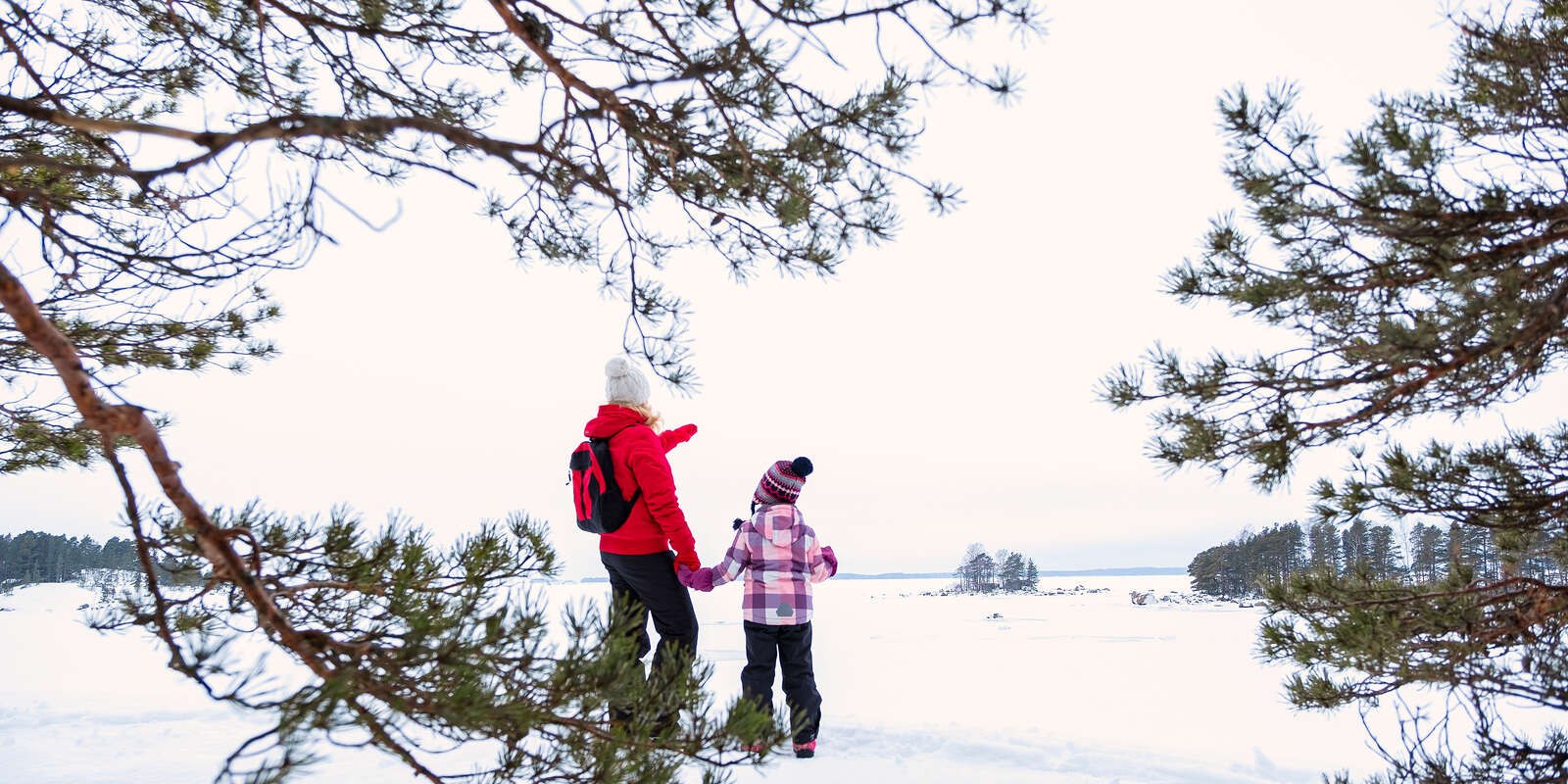
- Protecting forests. In Finland, forests cover most of our surface area, and the forest is what is most often associated with Finnish nature. However, according to the statistics of the Natural Resources Institute Finland, only 13% of our forest area is protected. The clearest direct health benefits arise in situations where new protected areas are located close to residential areas or elsewhere so that the area is open for recreational use that respects nature. Forests naturally promote health indirectly by functions such as maintaining freshwater reserves, sequestering carbon and preserving biodiversity.
- Reducing the overconsumption of processed meat. This measure is particularly topical in Finland due to the new nutrition recommendations that sparked a lot of discourse at the end of last year. If processed meat were completely replaced with plant-based alternatives, such as whole grain cereals, fruit, nuts and seeds, an estimated seven million premature deaths could be prevented globally every year. According to Finnish studies, even a moderate effort to replace red or processed meat with plant-based alternatives has been shown to lower the risk of colon cancer and type 2 diabetes at the population level.
- Reducing pollution. Pollution is considered to include the deterioration of air, water and soil due to matters such as exhaust gases, chemicals and microplastics that end up in nature. Reducing these requires regulation, sufficient incentives and behavioural changes, such as reducing energy consumption and private car use. Air pollution alone is estimated to cause some eight million premature deaths worldwide and about 3,700 of the same in Finland each year.
- Zero net emissions from health care. In Finland – like in many other countries – greenhouse gas emissions from health services account for about 4.5 per cent of total national emissions. However, the emissions produced by health care can be reduced, and operating methods can be made more sustainable for the planet without compromising on the quality of health care. Means of achieving this include investing in disease prevention, using renewable energy, increasing the provision of plant-based food in hospitals and avoiding unnecessary treatments and medications.
- Increasing green infrastructure in cities. Urban areas also need a sufficient amount of natural elements, such as parks, forests, street trees and green roofs. Diverse urban green areas have been found not only to have numerous health benefits (especially mental health and cardiovascular diseases) but also to play an important role in adapting to climate change (especially the mitigation of the heat island phenomenon and stormwater management). According to a recent calculation, a mere 10% increase in urban green areas would save about EUR 140–290 million annually in Finland solely on the costs of new cases of depression and type 2 diabetes.
How to take action? The main responsibility for this change lies with the people in various decision-making positions, but at best, individuals and civil society can also have important role. The related sustainability transformation, which cuts across our entire society, is also discussed in detail in the recent Transformative change report by IPBES.
There is a need for international and national political guidance on manufacturing and procuring less polluting equipment, such as cars, on enabling more sustainable diets and on preserving biodiversity.
On the other hand, everyone can identify something in the abovementioned measures that they can take on in their personal lives. In addition to these five presented solutions, the report describes a whopping 66 other solutions that can be promoted to influence the wellbeing of people and our entire planet in a versatile way. Even small measures are important because we only have the one planet and our own health depends on its wellbeing.
Read more
Sustainable health from food - national nutrition recommendations 2024
Media Release: IPBES Transformative Change Assessment. 18 December 2024