The client process in disability social work – a tool for ensuring equality
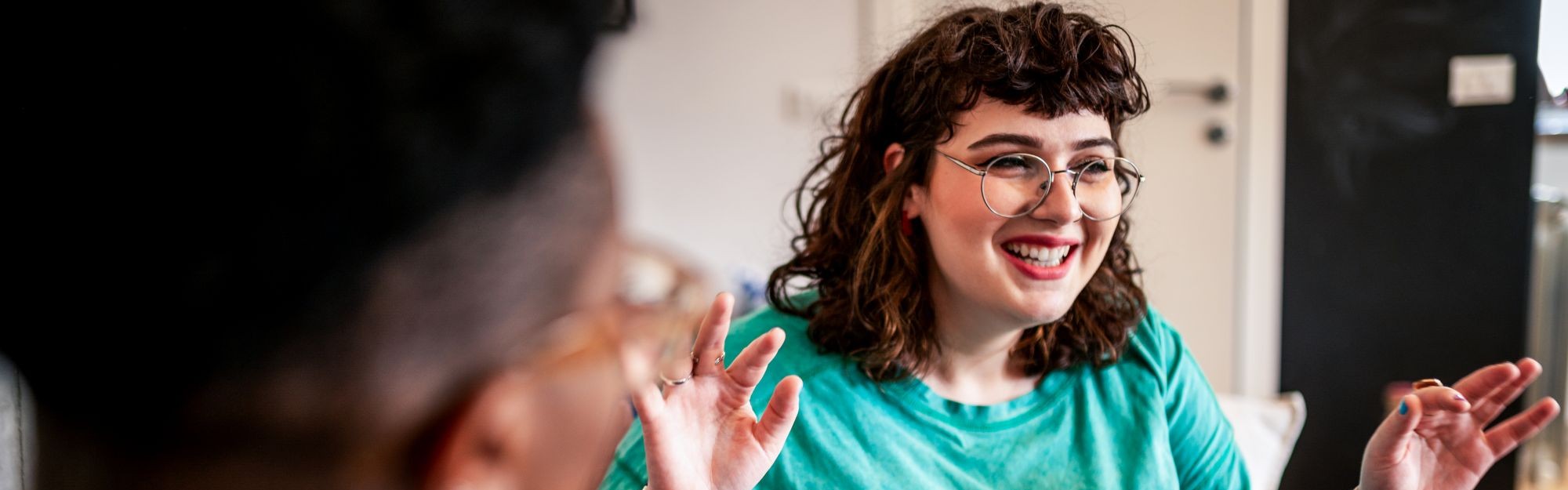
In a high-quality client process in disability social work, the person with a disability is encountered, their own views are heard, and services are built on the basis of individual needs in collaboration with them. Strong expertise in disability social work is essential in this interaction.
The UN Convention on the Rights of Persons with Disabilities emphasises equality, participation and the right to make decisions about one’s own life. The Act on disability services, which entered into force at the beginning of 2025, strengthens the participation of persons with disabilities throughout the client process. In recent years, wellbeing services counties have therefore developed new operating models in a context where both legislation and the operating environment have changed simultaneously.
These are significant changes that materialise specifically in the client process: how service needs are assessed, how decisions are made, how services are implemented and how their delivery is monitored. The client process is a tool through which rights are realised in everyday life.
Previous studies have shown that client participation has not always been realised equally. The Disability Services 2022 report described situations where service needs assessments were carried out without the client or where there was insufficient time and expertise to hear the client. Large client volumes and time pressure also weakened the possibilities for client-centred work.
At the same time, it is important to recognise that a great deal of work has been and is being carried out in wellbeing services counties. According to recent surveys conducted in wellbeing services counties, the majority of respondents assess that clients’ opportunities for participation are realised particularly at the initial stage of the client process, but there are still shortcomings in the implementation of services and in monitoring their delivery. Development work is being carried out systematically in many areas.
The Towards fair disability services (Kovapa) project (2026–2028) has identified the client process as a key development area. THL is implementing the project in cooperation with disability organisations and wellbeing services counties. In spring 2026, a workshop on the client process in disability social work was organised for disability organisations. In autumn 2026, development work will continue with wellbeing services counties. In addition to the client process in disability social work, the project also develops support for mobility, support for housing, and training.
At the spring workshop, disability organisations highlighted both successes and concerns. In some situations, clients are able to access the assessment of service needs more quickly than before, but delays, ambiguity and regional differences still occur in the processes. In particular, access to information, coordination of services and genuinely hearing the client require attention.
A key observation was clear: good disability social work emerges through interaction. Participation does not merely mean attending a meeting; it requires sufficient time, appropriate communication methods and materials provided in advance in an understandable form.
The diversity of persons with disabilities challenges professionals to examine their own ways of working. The client process must be sufficiently flexible to take into account different life situations, languages, approaches and support needs.
This highlights the competence required of professionals in disability social work. The work requires legal expertise, knowledge of the service system, interaction skills and the ability to build trust. The client process is not an administrative procedure but is often a central part of a person’s ability to live a life of their own choosing.
Legislation provides the direction, but everyday practices determine how rights are realised. This is why time, expertise, joint development and opportunities to pause and focus on the client’s situation are needed. In disability social work, work is carried out that builds a more equal society – one encounter at a time.
Read more
Tuloksia kunta- ja työntekijäkyselystä. Työpaperi 15/2023, THL. (in Finnish, Julkari)
Kohti oikeudenmukaisia vammaispalveluja -hanke (Kovapa). (in Finnish, Innokylä)